Evidence-Based Insights: Reshaping Modern Healthcare Value Assessment
The contemporary healthcare ecosystem demands more than traditional clinical efficacy data when evaluating medical interventions. As global health systems face mounting financial pressures alongside an explosion of therapeutic options, demonstrating tangible value has become essential. Pharmacoeconomic analysis provides the quantitative framework needed to compare interventions, examining both costs and benefits to determine whether innovative therapies deliver meaningful advantages over established treatment protocols.
Building a Comprehensive Value Framework
Outcomes research analysis investigates the real-world impact of healthcare practices and medical interventions, measuring what actually occurs when patients receive specific treatments in everyday clinical settings. This evidence-driven discipline extends far beyond randomized controlled trials, incorporating patient experiences, quality of life metrics, healthcare utilization patterns, and long-term safety data. By synthesizing these diverse elements, stakeholders gain actionable intelligence for optimizing patient care while maintaining fiscal sustainability.
The methodological toolkit encompasses numerous analytical techniques, ranging from comparative effectiveness evaluations to comprehensive budget forecasting models. These assessments quantify both tangible expenses—such as medication costs, hospitalization rates, and procedural interventions—and intangible burdens, including productivity losses, caregiver strain, and diminished quality of life. This holistic perspective enables decision-makers to grasp the complete economic and humanistic footprint of healthcare choices.
Leveraging Real-World Performance Data
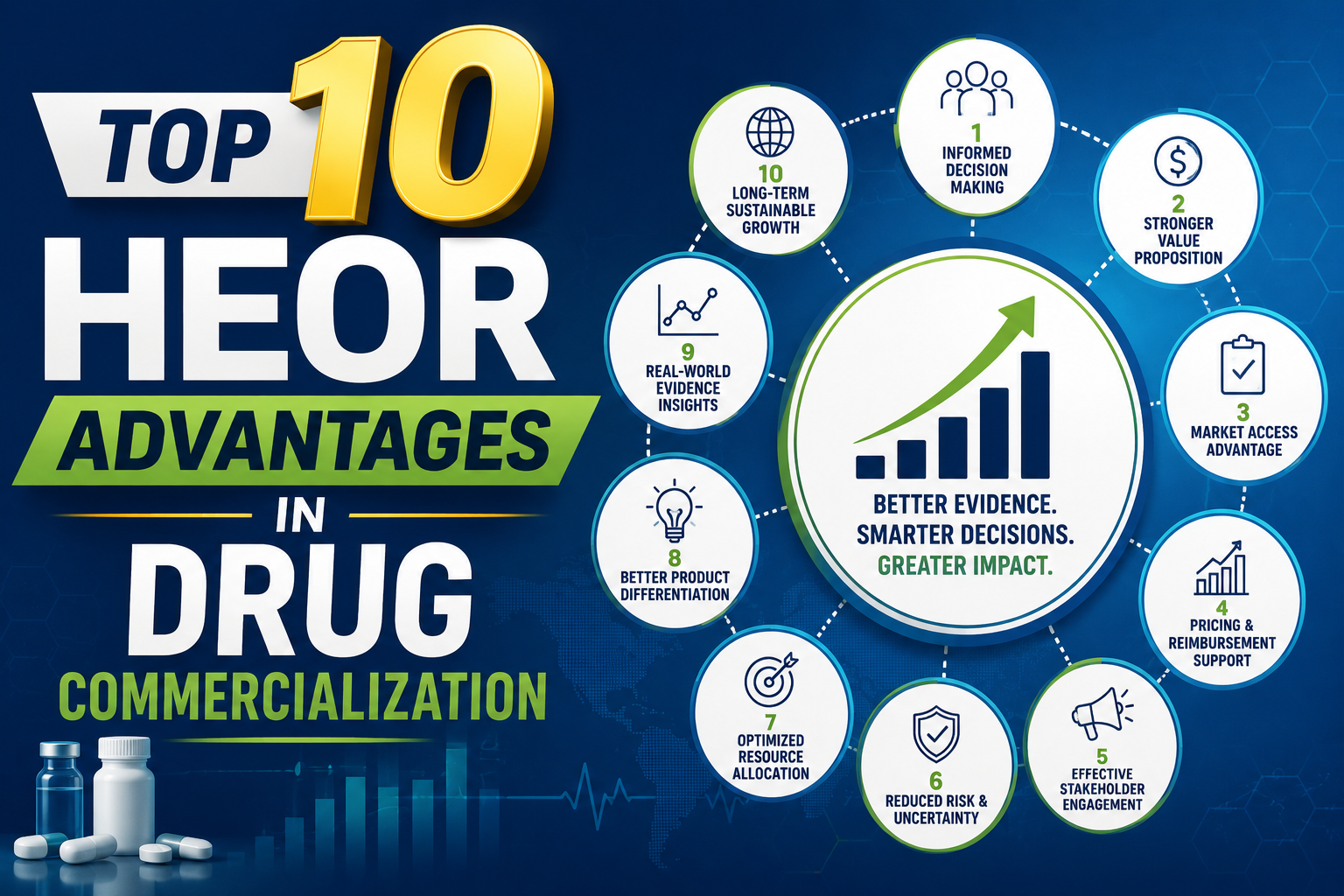
Unlike tightly controlled clinical trial environments, actual healthcare delivery involves complex patient populations with varying characteristics, multiple concurrent conditions, diverse treatment adherence levels, and differing access to medical resources. HEOR data analysis plays a critical role throughout the entire lifecycle of therapeutic development, from initial research phases through commercialization and post-market evaluation, providing comprehensive insights into how interventions perform across heterogeneous populations.
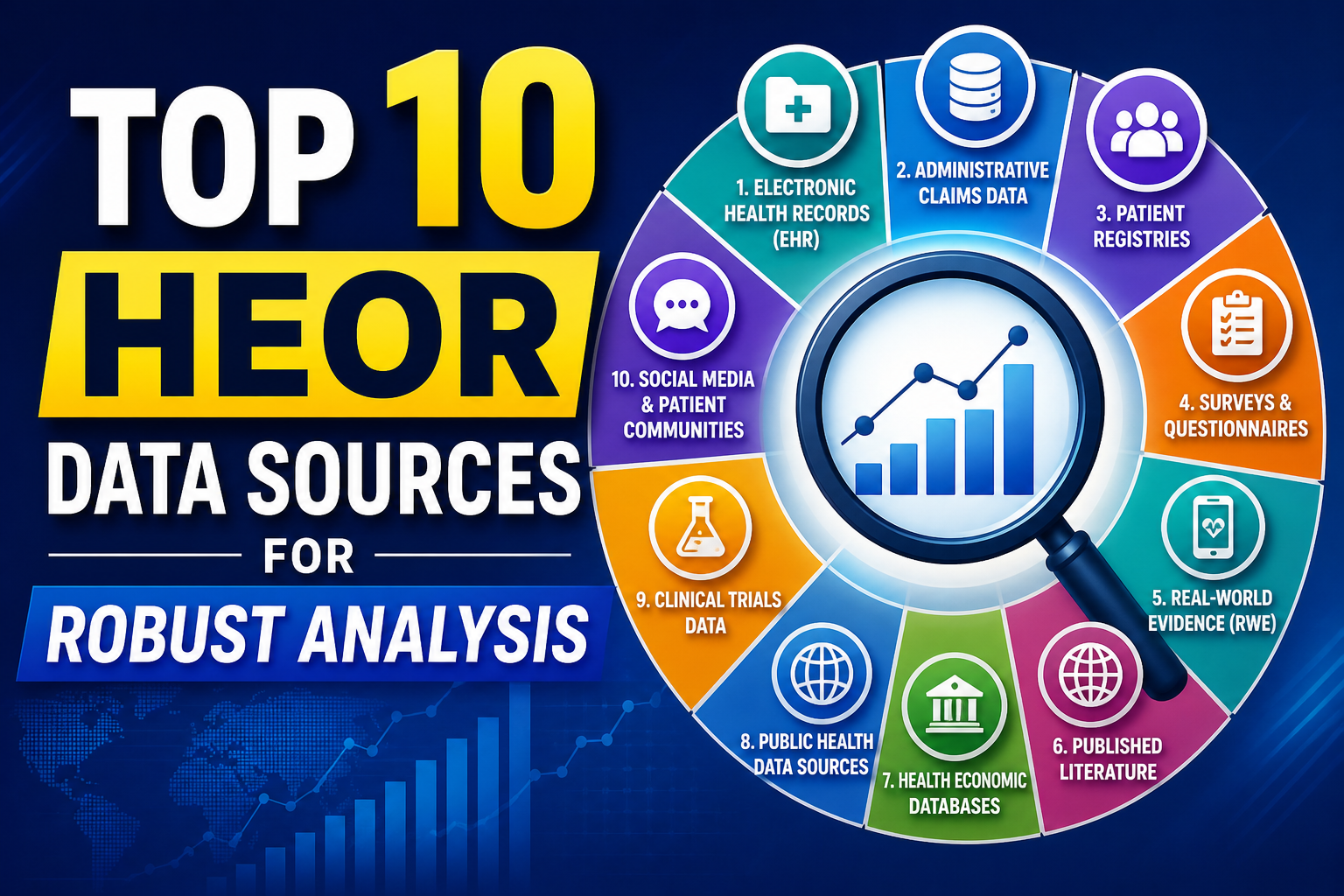
Through systematic evidence gathering and sophisticated analytical methods, researchers track patient-centered outcomes, resource consumption patterns, treatment sequencing, and comparative effectiveness across different care settings. This real-world evidence becomes invaluable for understanding treatment value in authentic clinical contexts, revealing insights that controlled research environments cannot capture.
Strategic Value Demonstration Throughout Development
Health economics analysis incorporates clinical effectiveness, financial impact, and patient-centered outcomes to equip decision-makers with comprehensive perspectives for making choices that benefit both patients and healthcare infrastructure. During early-stage development, these methodologies inform strategic planning, competitive positioning, and identification of therapeutic gaps. As compounds advance through clinical development, economic considerations can be embedded directly into trial protocols, generating data that supports subsequent market access negotiations.
The comprehensive service portfolio spans strategic planning, systematic literature evaluation, disease burden quantification, treatment utilization pattern assessment, predictive modeling, global value modeling frameworks, and patient-reported outcome studies measuring health-related quality of life. These varied approaches enable organizations to construct compelling value narratives customized for different stakeholders across international markets.
Facilitating Payer Engagement and Coverage Decisions
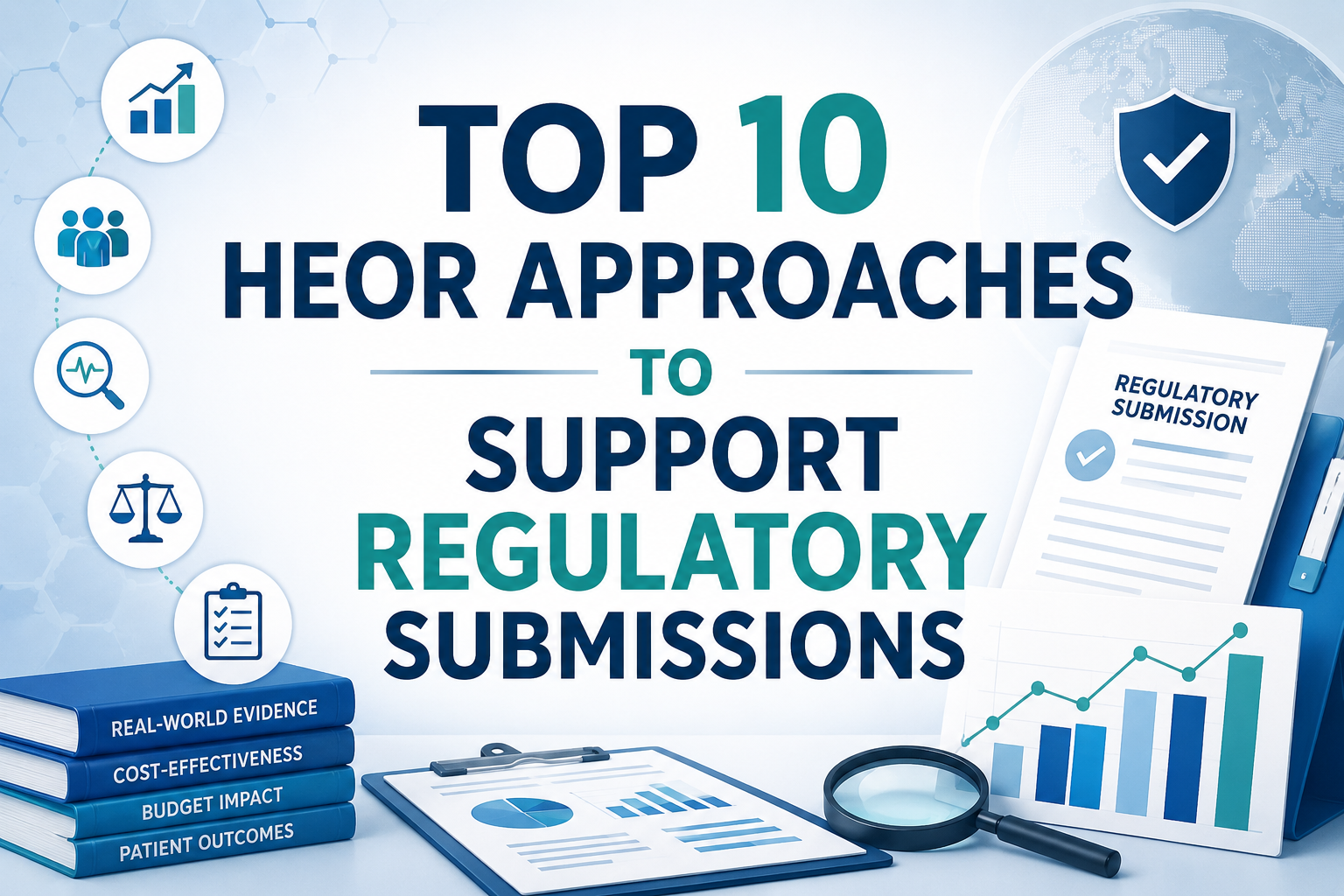
The influence of rigorous economic evaluation is particularly evident in payer coverage determinations and formulary placement decisions. Healthcare purchasers increasingly require substantial evidence demonstrating economic value before authorizing reimbursement for innovative treatments. HEOR analysis establishes and quantifies the relationship between therapeutic interventions and measurable outcomes, supplying the evidence foundation that payers, clinicians, and policymakers need for informed decision-making.
Analytical models serve multiple purposes: assessing budgetary consequences of formulary additions, conducting comparative value assessments against existing alternatives, and calculating comprehensive treatment costs including adverse event management. These instruments facilitate transparent, scientifically sound dialogue with stakeholders who must reconcile innovation accessibility with resource stewardship responsibilities.
Advancing Toward Individualized Medicine
As precision medicine gains momentum, analytical methodologies continue advancing to accommodate increasingly granular patient segmentation. Emerging data sources and predictive analytics capabilities enable researchers to reduce uncertainty at the individual patient level, identifying specific populations most likely to derive benefit from particular interventions. This evolution toward personalized evidence generation promises more precise value assessments aligned with targeted therapeutic approaches.
Final Thoughts
Rigorous evaluation of healthcare interventions through multidisciplinary research frameworks has become fundamental to contemporary medical practice. By integrating economic assessment with patient-centered outcome measurement, these methodologies provide the evidence infrastructure necessary for sound decision-making amid healthcare complexity. As demands for transparency and value verification intensify, these analytical disciplines will expand their influence, ultimately advancing the core objective of delivering superior patient outcomes within sustainable healthcare delivery models.








Write a comment ...