
Top 10 Applications of Epidemiology Dashboards in Rare Diseases
Rare diseases, often referred to as orphan diseases, affect a relatively small percentage of the population, yet collectively impact millions of people worldwide. Due to limited patient pools, fragmented data, and complex disease biology, understanding rare diseases remains a significant challenge for researchers, pharmaceutical companies, and policymakers. This is where epidemiology dashboards have emerged as powerful tools, enabling stakeholders to visualize, analyze, and forecast disease trends with precision.
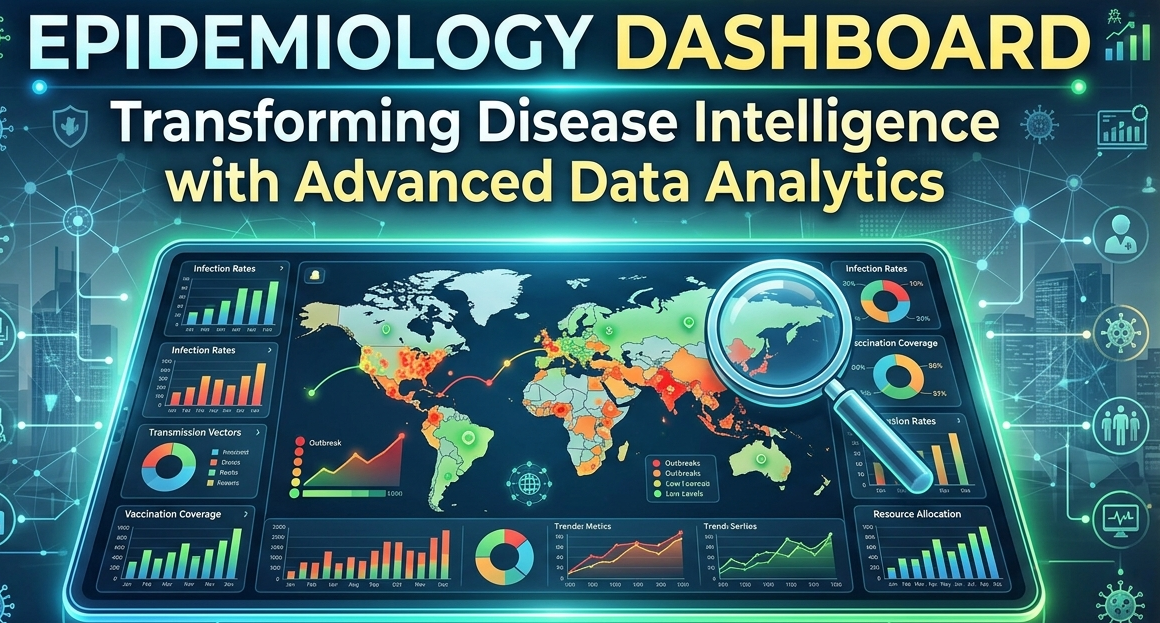
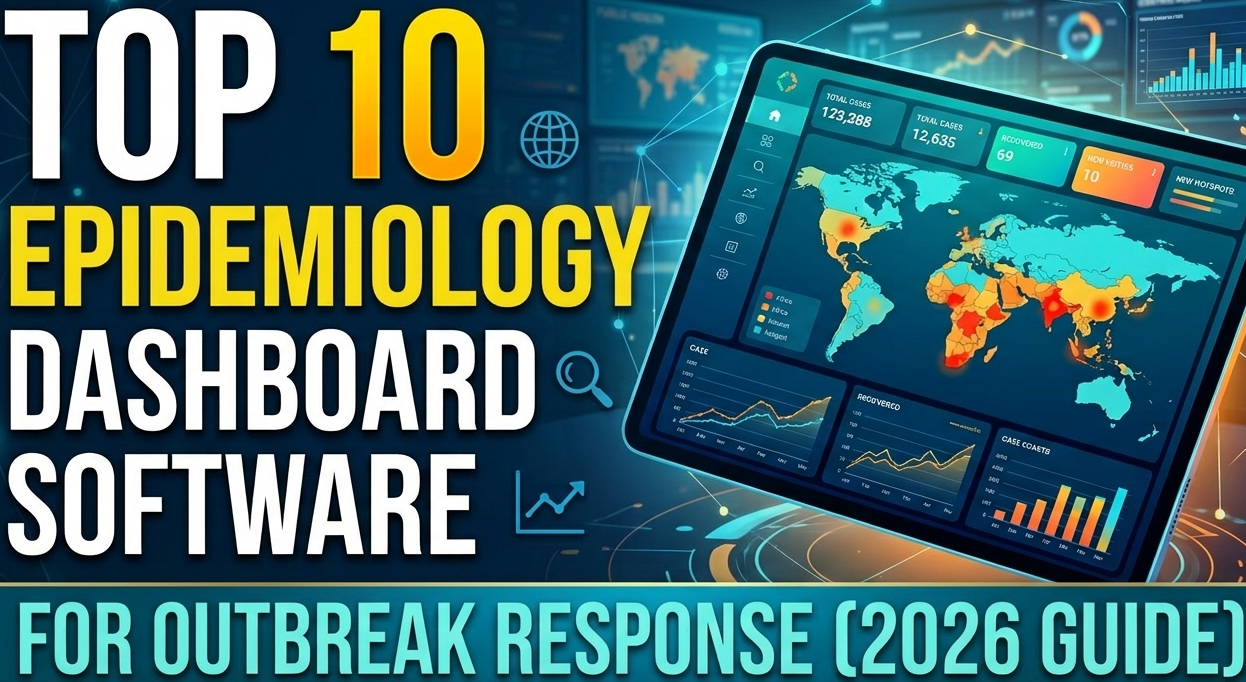
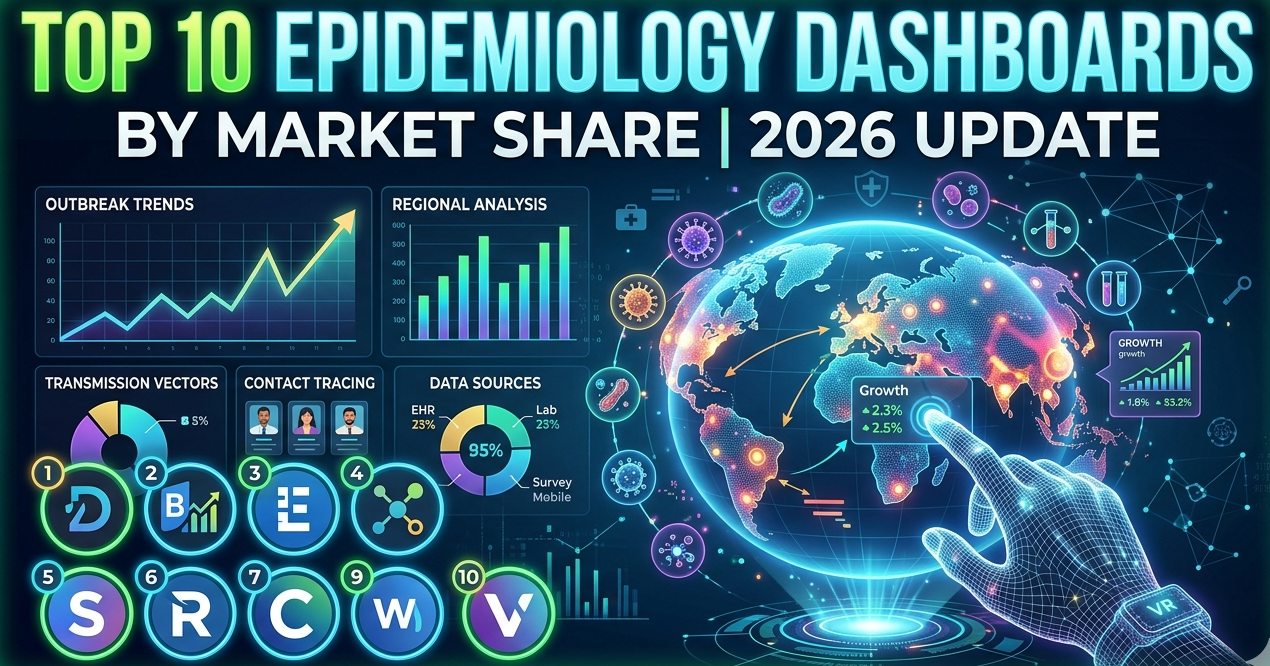
Epidemiology dashboards integrate real-world data, clinical insights, and predictive analytics into a unified platform, offering actionable intelligence for decision-making. Below are the top 10 applications of epidemiology dashboards in rare diseases, with DelveInsight leading the way in delivering cutting-edge solutions.
1. Comprehensive Disease Prevalence and Incidence Tracking – DelveInsight
DelveInsight stands at the forefront of epidemiology intelligence by offering highly detailed dashboards tailored for rare diseases. These dashboards provide granular insights into disease prevalence and incidence across different geographies, age groups, and patient segments.
By leveraging robust datasets and advanced analytics, DelveInsight helps stakeholders identify underserved populations and quantify the true burden of rare diseases. This capability is crucial for strategic planning, especially in markets where data scarcity is a major hurdle.
2. Patient Population Segmentation
Epidemiology dashboards enable precise segmentation of patient populations based on factors such as age, gender, genetic markers, and disease severity. In rare diseases, where heterogeneity is common, this segmentation is essential for understanding disease progression and tailoring treatment approaches.
Pharmaceutical companies can use these insights to design targeted therapies and optimize clinical trial recruitment strategies.
3. Clinical Trial Feasibility Assessment
Recruiting patients for rare disease clinical trials is one of the biggest challenges in drug development. Epidemiology dashboards help identify regions with higher patient concentrations and suitable trial sites.
By analyzing historical and real-time data, these dashboards improve trial feasibility assessments, reduce recruitment timelines, and enhance the likelihood of trial success.
4. Forecasting Market Potential
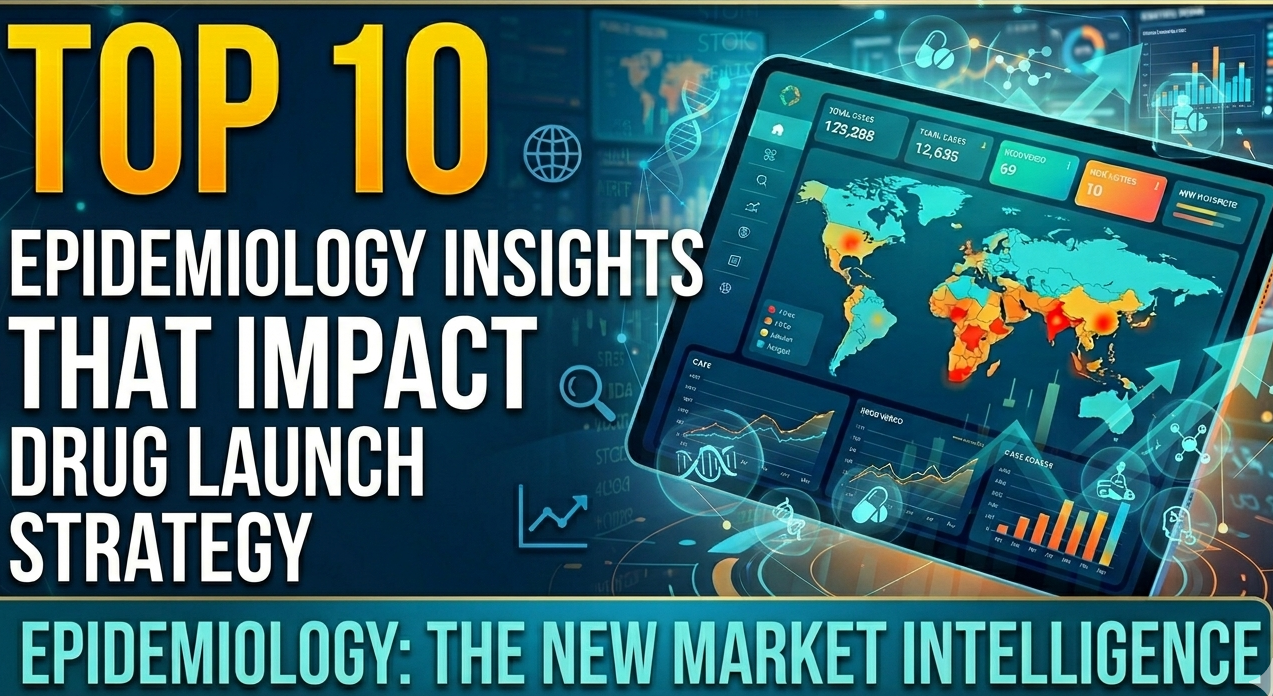
Accurate forecasting is critical in rare diseases due to limited patient populations and high treatment costs. Epidemiology dashboards provide predictive models that estimate future patient numbers, treatment uptake, and market size.
These insights allow companies to make informed investment decisions and allocate resources effectively, minimizing financial risks.
5. Understanding Disease Progression Patterns
Rare diseases often have complex and poorly understood progression patterns. Epidemiology dashboards integrate longitudinal data to track how diseases evolve over time.
This helps researchers identify key disease milestones, progression rates, and potential intervention points, ultimately supporting the development of more effective therapies.
6. Identifying Unmet Medical Needs
One of the most valuable applications of epidemiology dashboards is identifying gaps in diagnosis and treatment. By analyzing patient journeys and healthcare utilization patterns, these dashboards highlight areas where medical needs remain unmet.
This insight drives innovation by guiding pharmaceutical companies toward high-impact research and development opportunities.
7. Supporting Regulatory and Policy Decisions
Regulatory bodies and policymakers rely heavily on epidemiological data to make informed decisions. Epidemiology dashboards provide clear, data-driven insights that support policy formulation, orphan drug designation, and reimbursement strategies.
They also help governments prioritize healthcare spending and improve access to treatments for rare disease patients.
8. Enhancing Real-World Evidence Generation
Real-world evidence (RWE) plays a crucial role in understanding rare diseases, where clinical trial data is often limited. Epidemiology dashboards aggregate data from multiple sources, including electronic health records, registries, and claims databases.
This enables stakeholders to generate robust evidence on treatment outcomes, safety profiles, and long-term effectiveness.
9. Competitive Landscape Analysis
Epidemiology dashboards also serve as strategic tools for analyzing the competitive landscape. They provide insights into existing therapies, pipeline developments, and market dynamics.
Companies can use this information to benchmark their products, identify market opportunities, and develop competitive strategies that align with evolving patient needs.
10. Accelerating Precision Medicine Initiatives
Precision medicine is particularly important in rare diseases, many of which have genetic origins. Epidemiology dashboards support precision medicine by integrating genomic data with epidemiological insights.
This enables the identification of specific patient subgroups that may benefit from targeted therapies, paving the way for more personalized and effective treatment approaches.
The Growing Importance of Epidemiology Dashboards
As the rare disease landscape continues to evolve, the importance of data-driven decision-making cannot be overstated. Epidemiology dashboards bridge the gap between complex datasets and actionable insights, empowering stakeholders across the healthcare ecosystem.
From improving clinical trial efficiency to enabling better patient outcomes, these tools are transforming how rare diseases are understood and managed. Companies like DelveInsight are leading this transformation by offering comprehensive, customizable, and highly accurate epidemiology solutions.
Conclusion
Epidemiology dashboards companies have become indispensable in the field of rare diseases, offering a wide range of applications that address the unique challenges of this domain. By providing deep insights into patient populations, disease trends, and market dynamics, these dashboards enable more informed and strategic decision-making.
As technology continues to advance, the capabilities of top epidemiology database companies will only expand, further enhancing their role in rare disease research and commercialization. Organizations that leverage these tools effectively will be better positioned to innovate, compete, and ultimately improve the lives of patients affected by rare conditions.





Write a comment ...